Français
 لالعربية
 Português
 Español

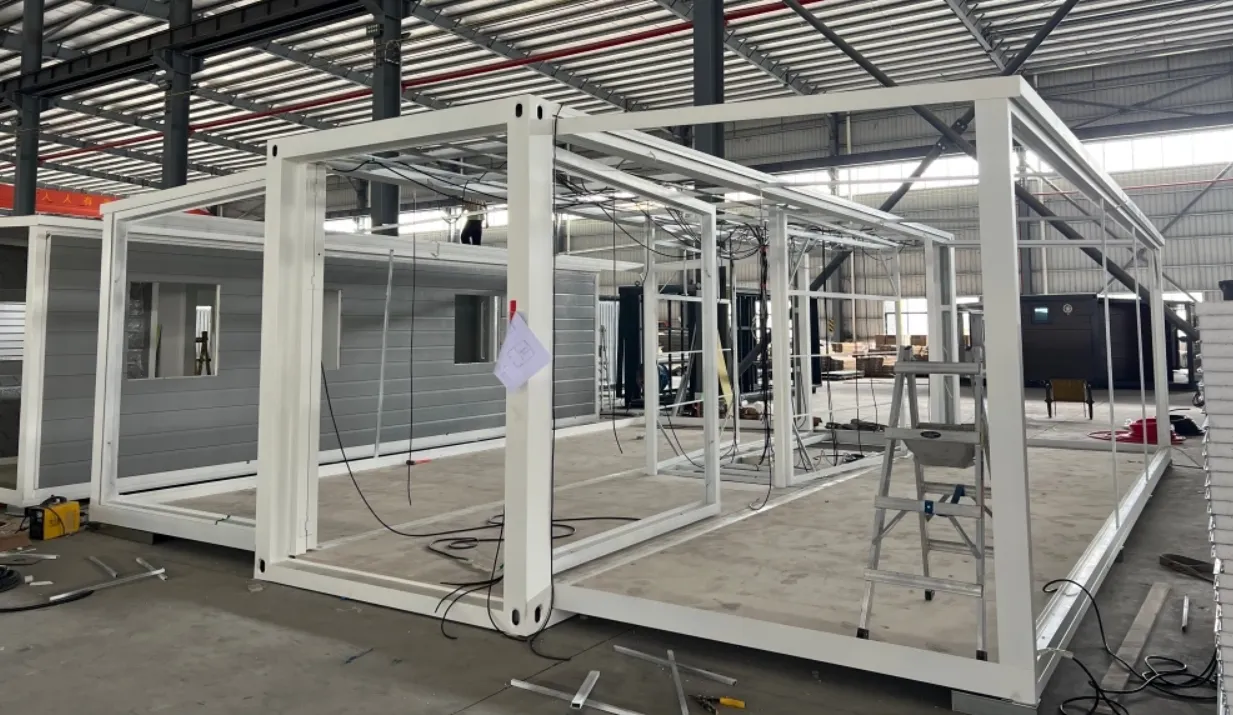
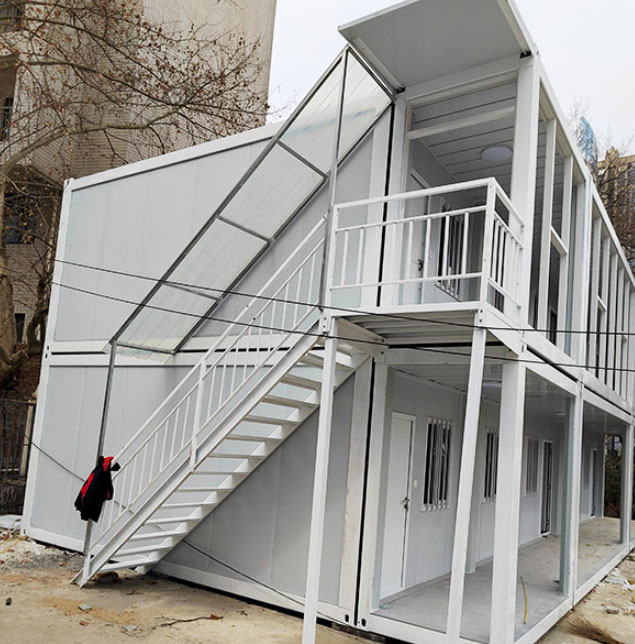
One of the most common questions Australian buyers ask before purchasing an expandable container house is whether it can actually get council approval as a permanent dwelling. The short answer is yes — but only if it meets NCC Class 1A classification requirements.
What Is a Class 1A Building in Australia?
Under Australia's National Construction Code (NCC) — also known as the Building Code of Australia (BCA) — every habitable structure is assigned a building classification that determines the standards it must meet.
Class 1A is the classification assigned to:
A single residential dwelling (house, cottage, cabin)
A granny flat or secondary dwelling used for long-term residential purposes
A detached studio used as a permanent habitable space
A Class 1A expandable container house is treated identically to a conventionally-built house under Australian law. It must meet the same performance requirements — structural integrity, energy efficiency, fire safety, electrical compliance, plumbing compliance, and minimum habitability standards — regardless of how it was manufactured or where it came from.
This is the critical distinction most buyers miss. Purchasing an expandable container house without Class 1A documentation does not make it non-compliant — it makes it legally uninhabitable in Australia until it receives council approval, and council approval requires Class 1A compliance evidence.
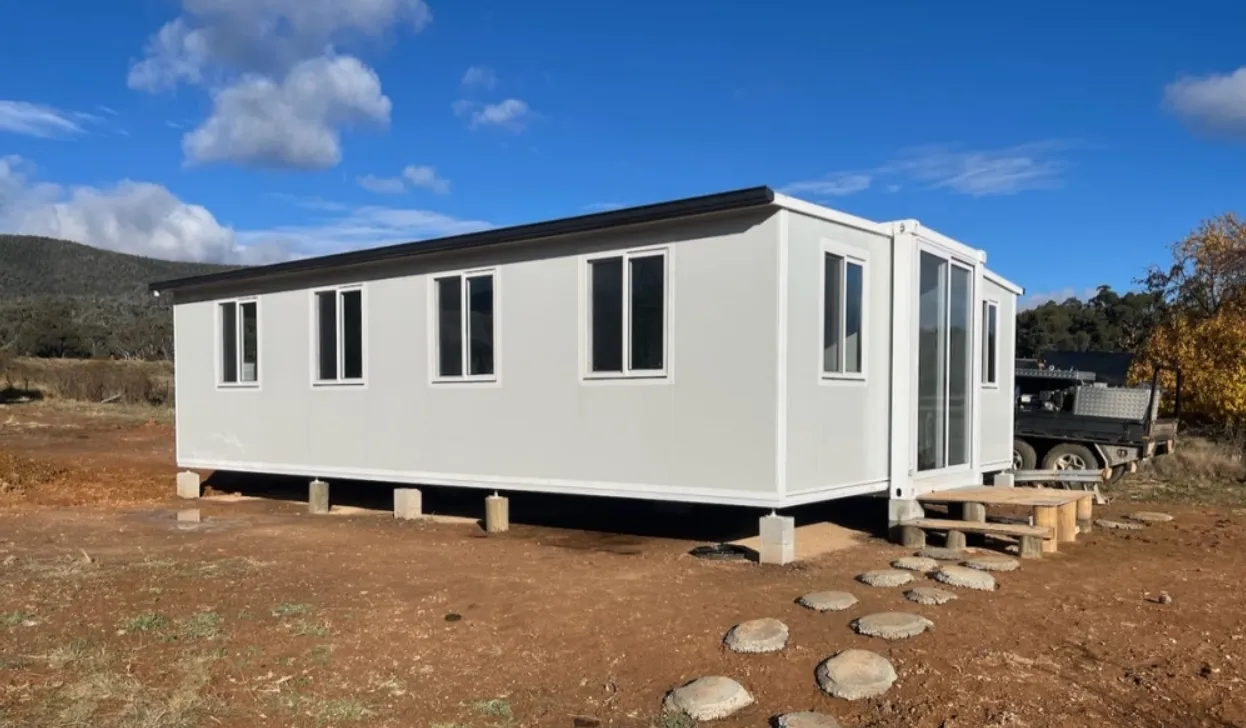
What Class 1A Approval Actually Means for Your Expandable Container House
Achieving Class 1A council approval for your expandable container house unlocks everything that makes the investment worthwhile:
Legal habitation: You can legally live in the structure as a permanent or long-term residence. Without Class 1A approval, permanent occupation is not lawful.
Utility connections: You can formally connect to mains water, sewerage, and electricity through licensed trades. Informal connections without approval are code violations and void insurance.
Granny flat approval: In all Australian states, secondary dwellings (granny flats) must be Class 1A certified. An unapproved structure cannot function as a lawful granny flat, regardless of its physical quality.
Insurance coverage: Home and contents insurance on a habitable structure requires council approval. Unapproved structures are typically excluded from coverage — a catastrophic risk on a $40,000+ asset.
Property value impact: A council-approved Class 1A expandable container house adds measurable value to your property. An unapproved structure adds legal liability.
Resale protection: When you sell the property, an approved secondary dwelling is an asset. An unapproved one is a liability requiring mandatory disclosure and often forced removal.